

LVMH Fashion and Leather Goods
Disclaimer. Please read full disclaimer at the end of the page before reading the report. This publication is only for information and entertainment purposes. It doesn’t constitute financial advice.
The information provided in this blog is for informational purposes only and should not be considered as financial, investment, or professional advice. The valuations and analyses presented here are based on publicly available

Introduction
In this series of posts we will analyze the core business of LVMH’s business: leather & fashion. It’s the crown jewel of the luxury conglomerate, earning extraordinary returns. It accounts for ~50% of total revenues and ~75% of operating profits of the group.
Whatever happens to this segment is what will drive the earnings and valuation of the company. The segment is now under some pressure, which has negatively impacted the valuation of the company.
This giant has experienced a significant increase in revenues as the world becomes richer every year. Same as the wine segment, many of the brands are more than a century old (Louis Vuitton, Loro Piana, Loewe), while many others have been around for decades.
This resilience commands a premium over premium or mass market brands.
Today I bring a post about the history of each brand, the present and how management is preparing the company for the future.
After understanding the history of the different brands we will be able to position them in the luxury space and analyze their returns. That will come in Part II, next week.
“What we create is emblematic. It’s linked to Versailles, to Marie Antoinette.”
One thing I admire from LVMH is that the most iconic creative directors have worked for their brands. This explains the influence of the Group in the fashion space. You will find familiar all the names of the different people that will appear in the stories.
Each brand has followed a different story and is at different momentum.
Please note this is a brief history of each brand, to better understand the portfolio and not just simply briefly describing each of them.
If you are not interested in the history of each brands, during the next week we will get into the nitty gritty: the numbers and the positioning of the brands.
Part I: Louis Vuitton and Christian Dior
1. Louis Vuitton
History of the Company
The history of Louis Vuitton (LV, or Vuitton) is a story of a craftsman, a revolutionary product, and the creation of a global luxury empire.
It begins not with fashion, but with the humble art of trunk-making in 19th-century Paris.
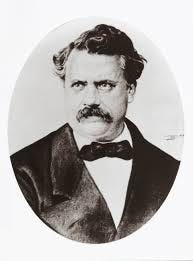
In 1837, a young man named Louis Vuitton arrived in Paris and became an apprentice trunk maker to Monsieur Maréchal.
Travel in that era was arduous, and luggage was often dome-shaped, which made it difficult to stack. Vuitton recognized a need for a new type of luggage that was both durable and practical.
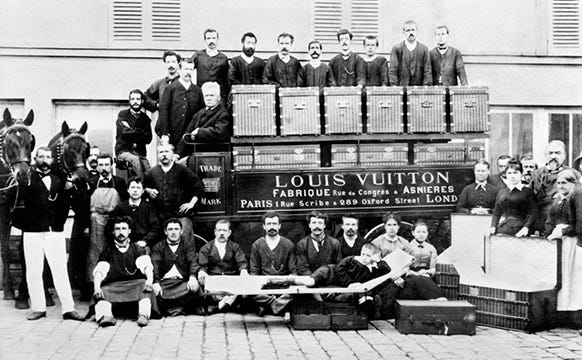
In 1854, he opened his own workshop and revolutionized the travel industry by introducing the flat-topped trunk, a design that was waterproof, airtight, and easily stackable. This innovation, along with the development of the durable Trianon canvas, laid the foundation for his brand's success.
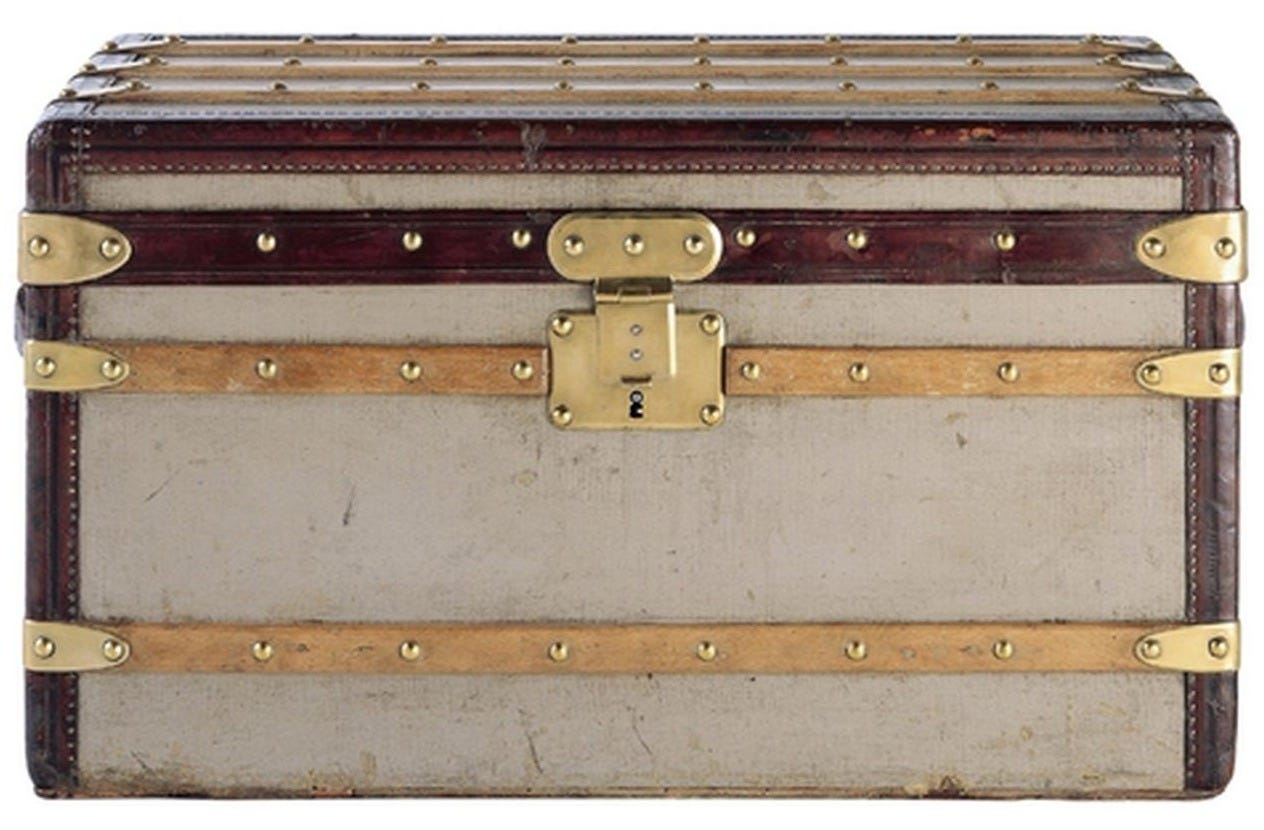
The brand's iconic patterns were born out of a need for security and a desire for distinction. As the brand grew in popularity, so did the number of counterfeiters.
In 1888, Louis's son, Georges Vuitton, introduced the Damier Canvas pattern, featuring the "L. Vuitton" inscription, to combat imitation.
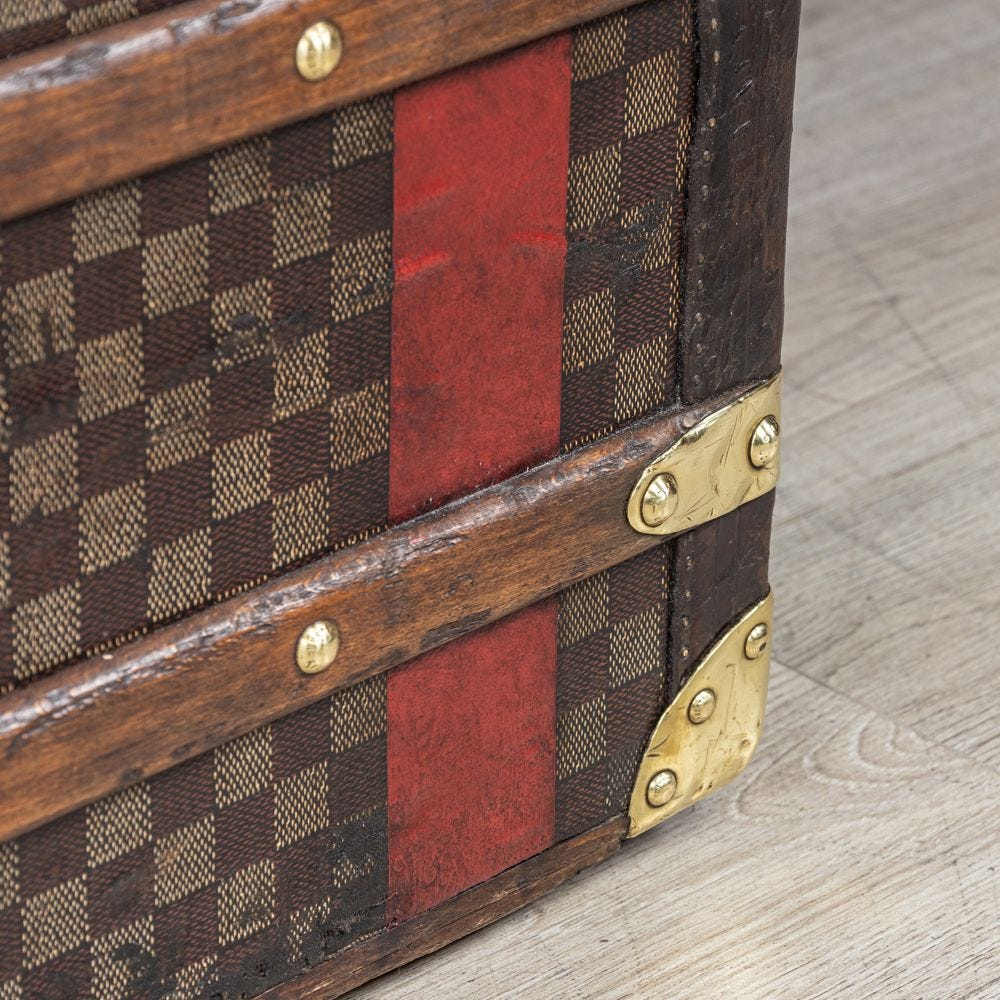
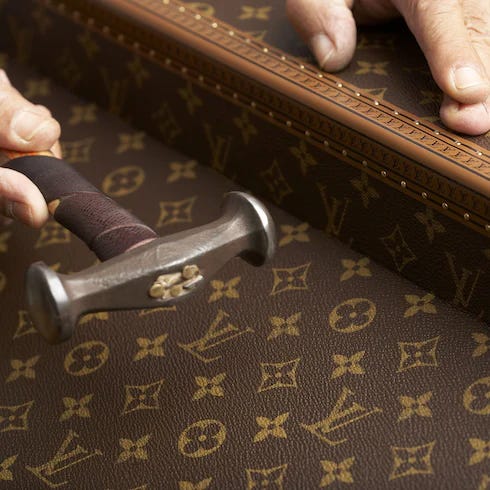
When that, too, was widely copied, he created the world-famous Monogram Canvas in 1896. This intricate pattern, with its floral motifs and interlocking "LV" logo, was designed to be virtually impossible to reproduce, and it quickly became a symbol of status and authenticity.
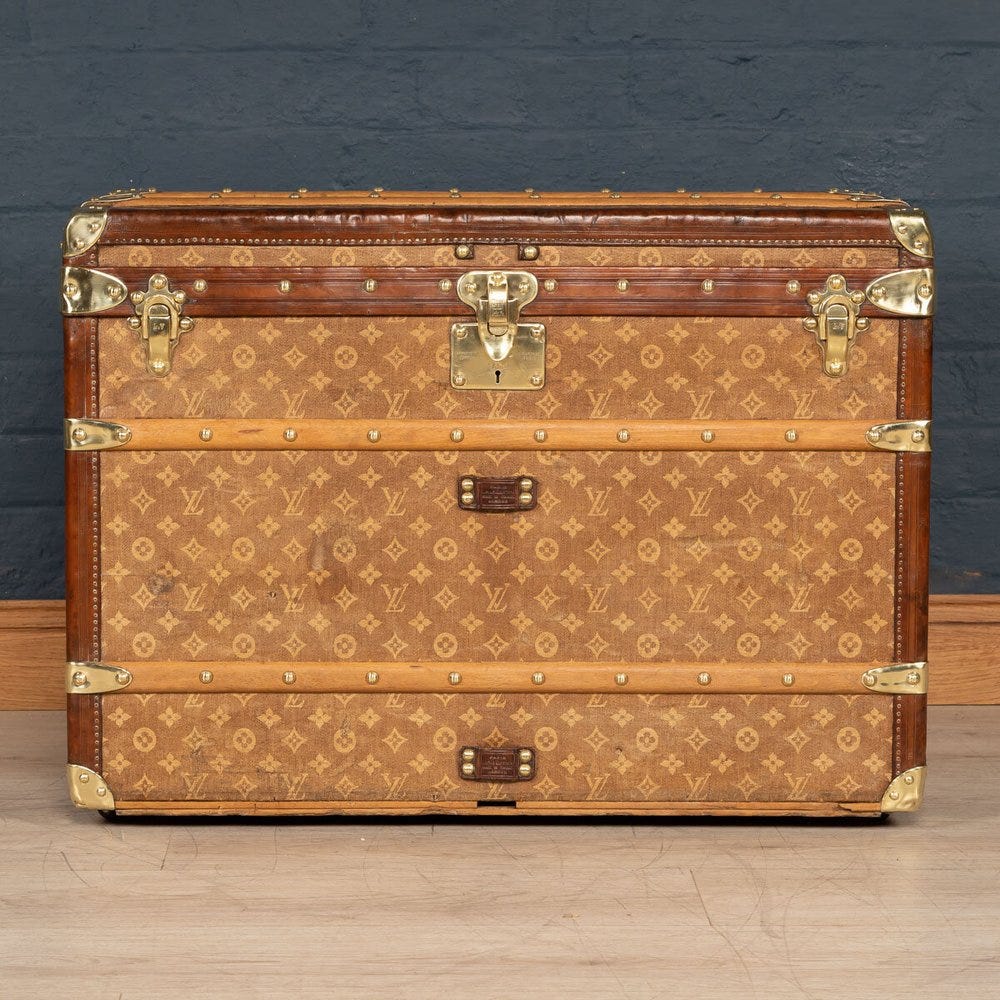
The image above it's very important. The design of current bags is more than a century old. This is both extraordinary and resilient. Try to name different products that have the same design since the start of the 1900s.
During the start of the century the brand was expanding internationally. It opened stores in New York, London, and Buenos Airies. In 1914 it opened the largest travel goods store in the world on the Champ-Élysées
As travel was quickly expanding, the company adapted their products to cars, trains and airplanes.
After WWII, they introduced in 1959 a Monogram canvas more supple and durable, allowing the creation of handbags. This innovation led to the creation of icons like the Noé bag (originally planned to carry champagne bottles), that are iconic models today.
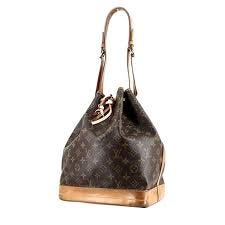
One of the reasons why LV is such a popular brand able to creative desirability around the world is the fact that these bags have been existing for decades. This explains also the premium that luxury brands carry, as their terminal value is huge.
Under Henry Racamier (son-in-law of Gaston Vuitton), the company pursued an aggressive international expansion, opening boutiques worldwide and went public in 1984.
Creation of LVMH
After the Vuitton family's long stewardship, the brand underwent a major transformation in the late 20th century.
In 1987, Louis Vuitton merged with Moët Hennessy to create the luxury conglomerate LVMH as a way to protect both companies from hostile takeovers and to diversify the business.
In the 1980s, especially in Europe and the U.S., hostile takeovers were very common. Big corporations and financial groups were aggressively acquiring brands, often against the will of their management.
The idea was to create a big group strong enough to resist hostile takeovers. Ironically, it set the stage for Arnault.
