

Disclaimer. Please read full disclaimer at the end of the page before reading the report. This publication is only for information and entertainment purposes. It doesn’t constitute financial advice.
The information provided in this blog is for informational purposes only and should not be considered as financial, investment, or professional advice. The valuations and analyses presented here are based on publicly available.

Sky Harbour published its results for the first half of 2025. The following day, the stock dropped nearly 4%. But were the results really as weak as the market reaction suggests?
I. Site Acquisitions Are Speeding Up
So far in 2025, the company has acquired two new sites, both located in the Northwest—an area where Sky Harbour previously had no presence. Management also reaffirmed guidance of 1–5 additional site acquisitions by year-end.
Momentum is clearly building. Since December 2024, Sky Harbour has added four sites, bringing its total to 18 campuses. The company expects another ~5 in the near term, which would bring the year-end total to between 19 and 23 sites.
✅This keeps the company on pace to reach 23 sites toward its long-term goal of 50.
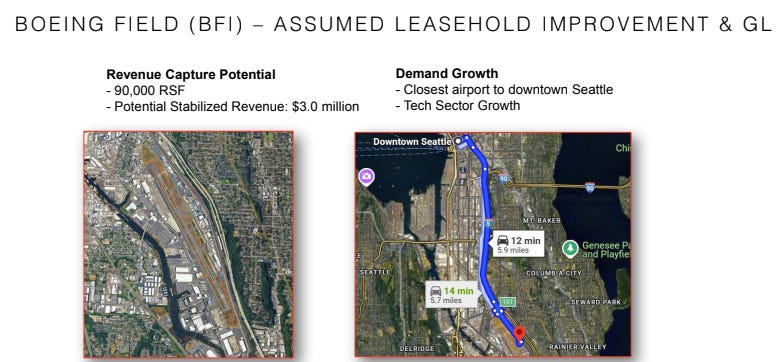
King County International Airport — Boeing Field (BFI)
One of the highlights is a new brownfield project or existing facility at King County International Airport, commonly known as Boeing Field, just minutes from downtown Seattle. This site has been on the company’s radar for more than five years, and now marks Sky Harbour’s first project in Seattle, with expectations of continued expansion there.
While this airport currently adds only modest revenue potential—about $3.0 million in stabilized revenue (~$33 per square foot)—management views it as a foothold for further growth.
Fun fact: Boeing Field is where Boeing completes the final delivery preparations for its 737 aircraft.
Hillsboro (HIO)
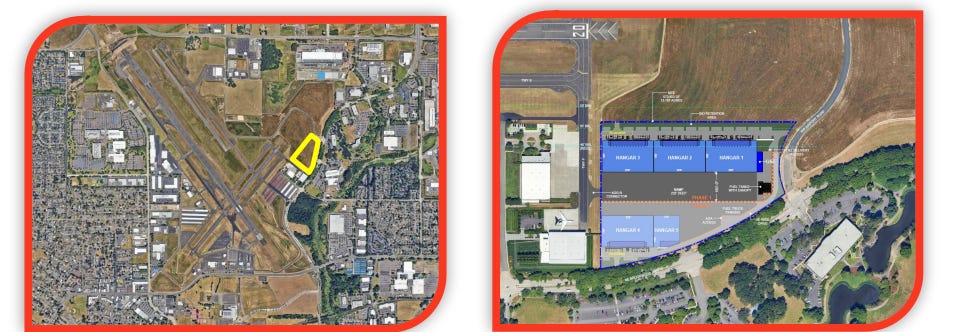
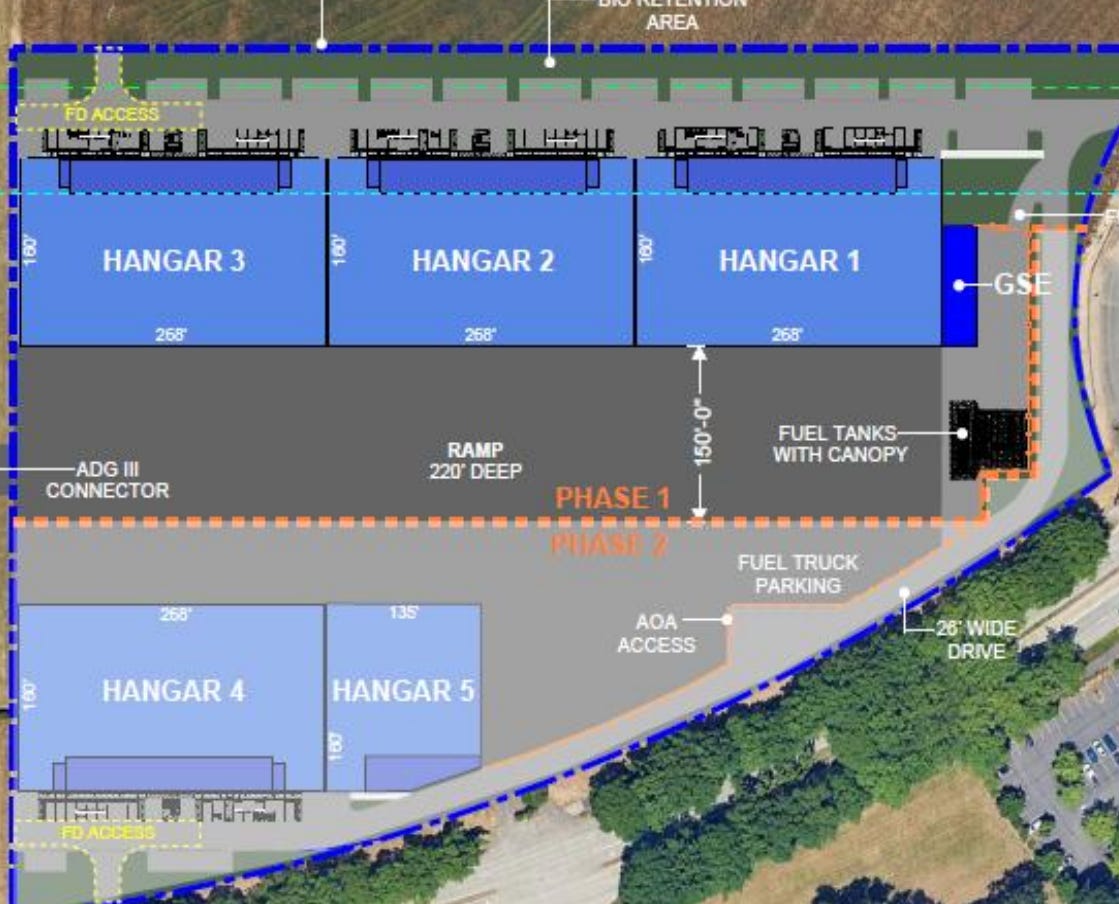
Another important addition is a new ground lease in Portland, Oregon, at Hillsboro Airport—the primary hub for private and business aviation in the Portland metro area.
The site offers 192,000 rentable square feet (RSF), with potential to generate around $7.0 million in revenue. The planned campus will feature four large community hangars plus a smaller hangar for 1–2 aircraft.
II. Construction Updates
During the first half of 2025, Sky Harbour completed—or is close to completing—several initial airports that previously faced construction challenges:
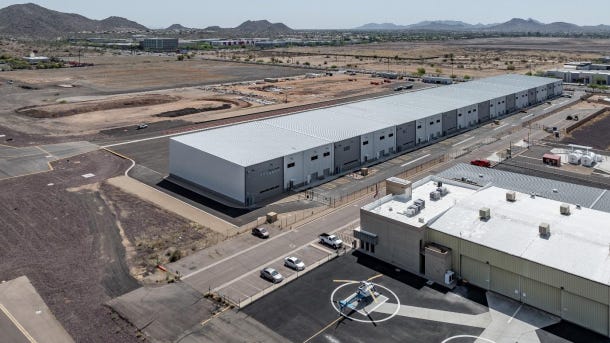
Phoenix Deer Valley (DVT)
Dallas Addison (ADS)
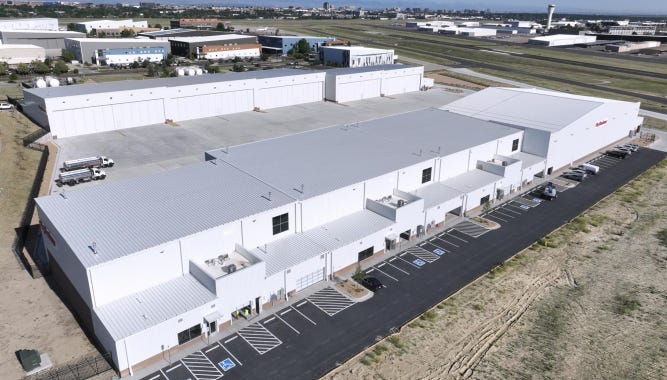
Denver Centennial (APA)
Delays and cost overruns were mainly due to early-stage design issues, which management considers a one-off learning curve as the company gains experience. Construction costs for these airports exceeded the $300/SF benchmark, but the issues have been resolved.
These issues happened before developing New York, California or North West of the country, which was part of the plan.
Importantly, the company is now offering pre-leases in some airports, requiring tenants to commit in advance with deposits—something that wouldn’t be possible if construction delays were still a risk.
🗣️”But I think of it as kind of assembling IKEA furniture is, if you've got a set of 8 chairs to assemble, you -- the first one, you're going to get something wrong. You're going to mix up left and right and you're going to have to disassemble it and do it again. The second one, you probably get it all right. The third one, you don't need the instructions anymore. And then fourth through eight go faster than the first one did.”
Construction Status
Currently under construction:
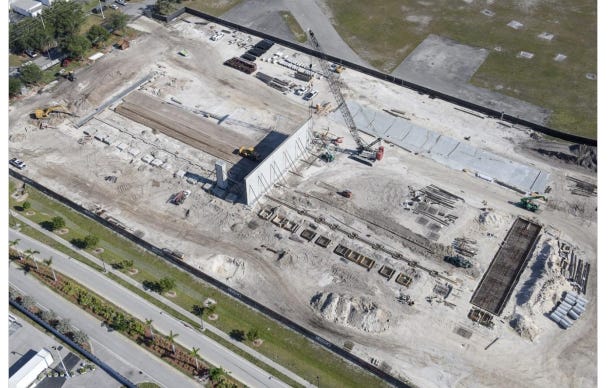
Miami OPF Phase II
Finalizing: DVT, APA, and BNA
Miami OPF Phase II Status
“The structural foundations and tilt walls were completed at hangar 15. All materials for the pre-engineered metal buildings have been delivered to the site with continuous coordination between the Alston and Stratus Building Systems (formerly RapidBuilt).”
No critical issues reported.
Phoenix (DVT)
Nashville (BNA)
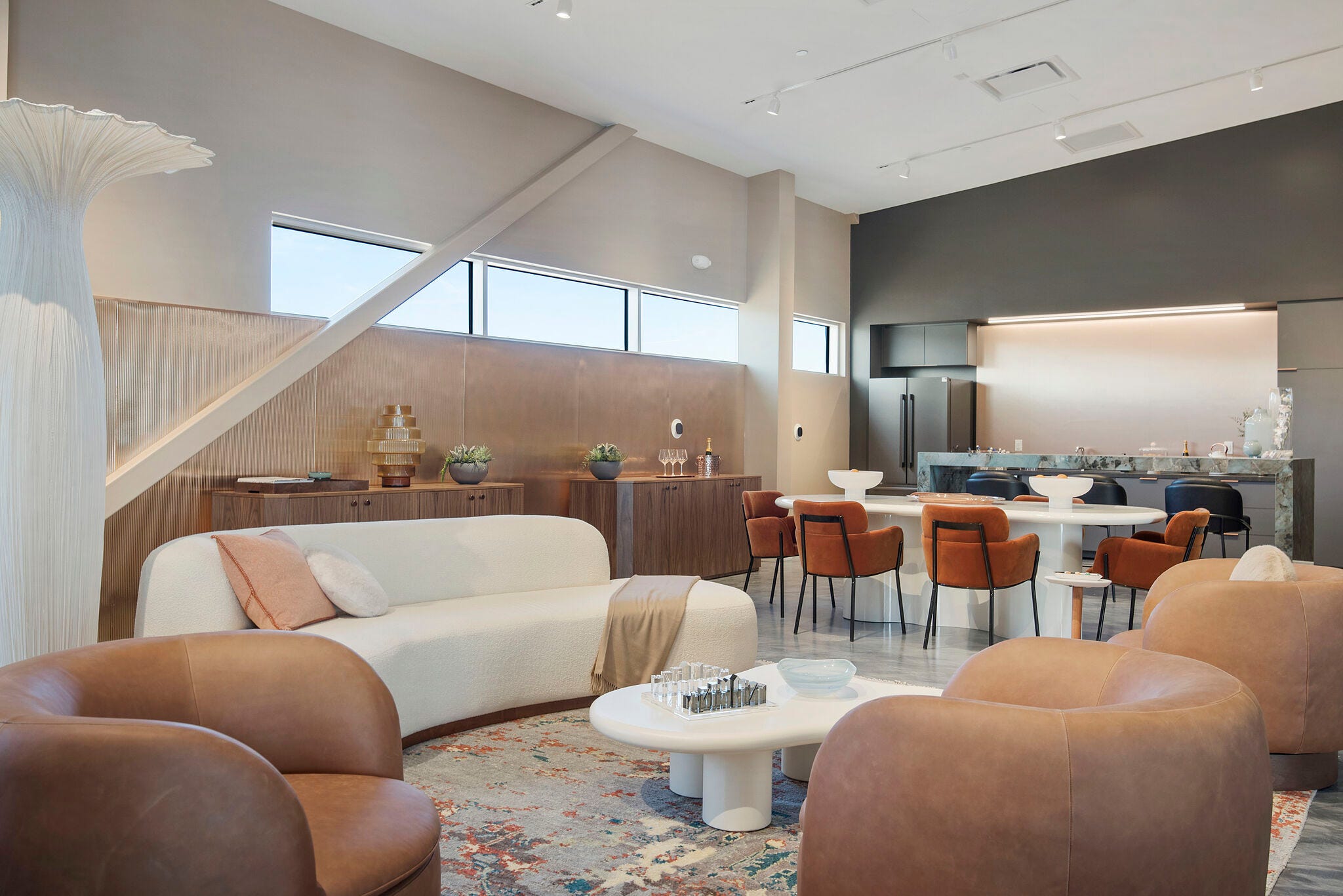
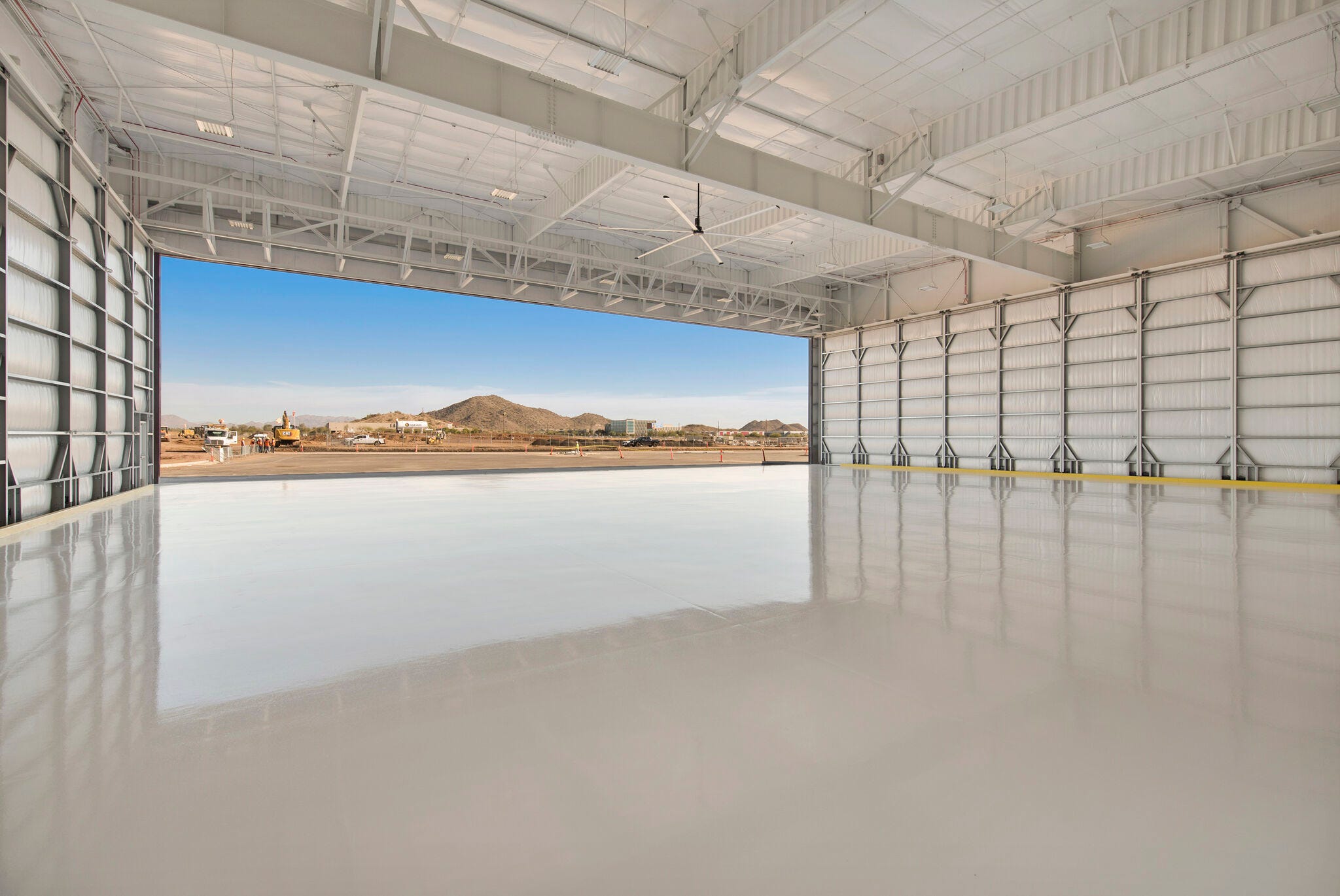
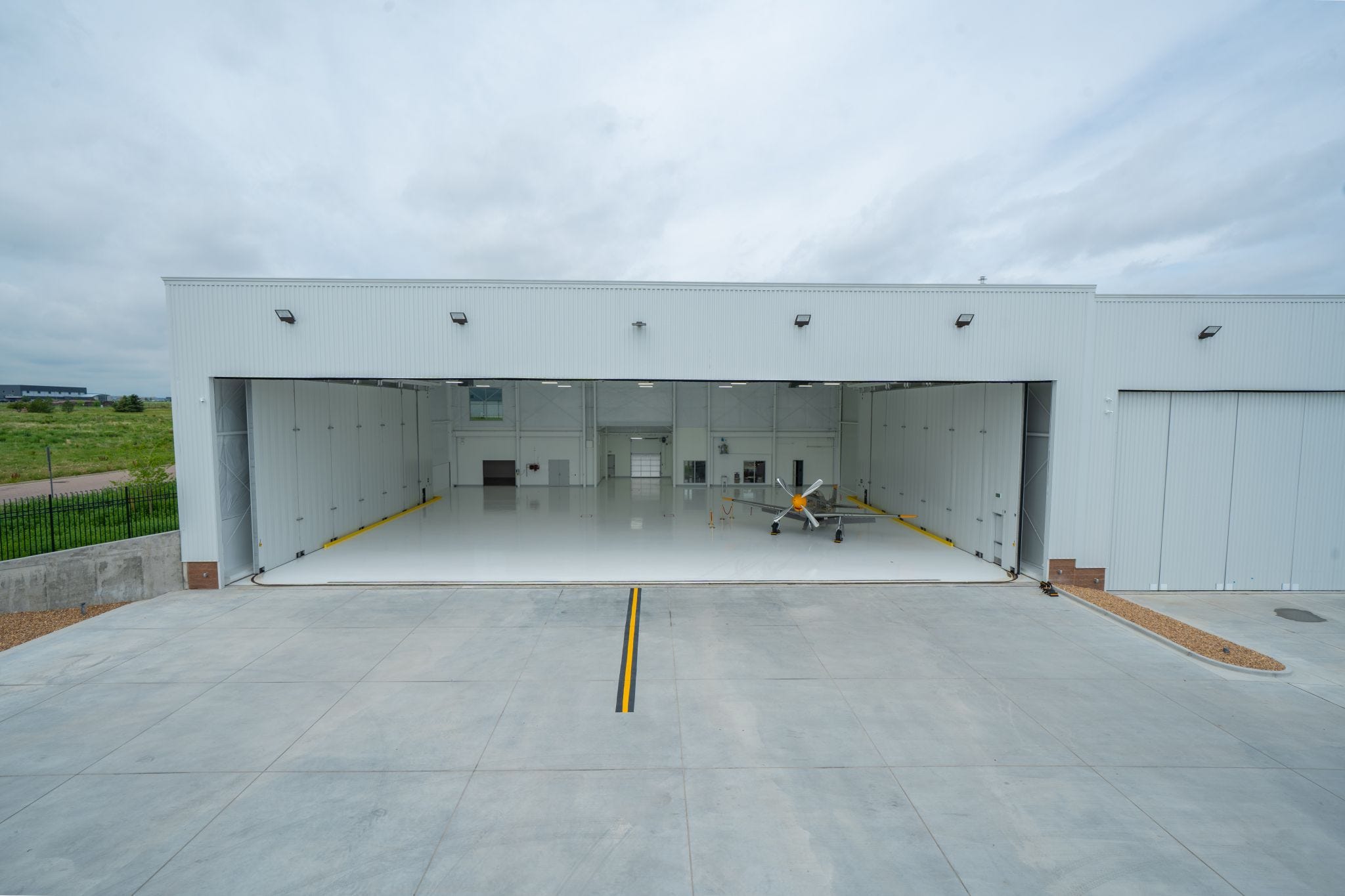
Some Images of the Recent Openings
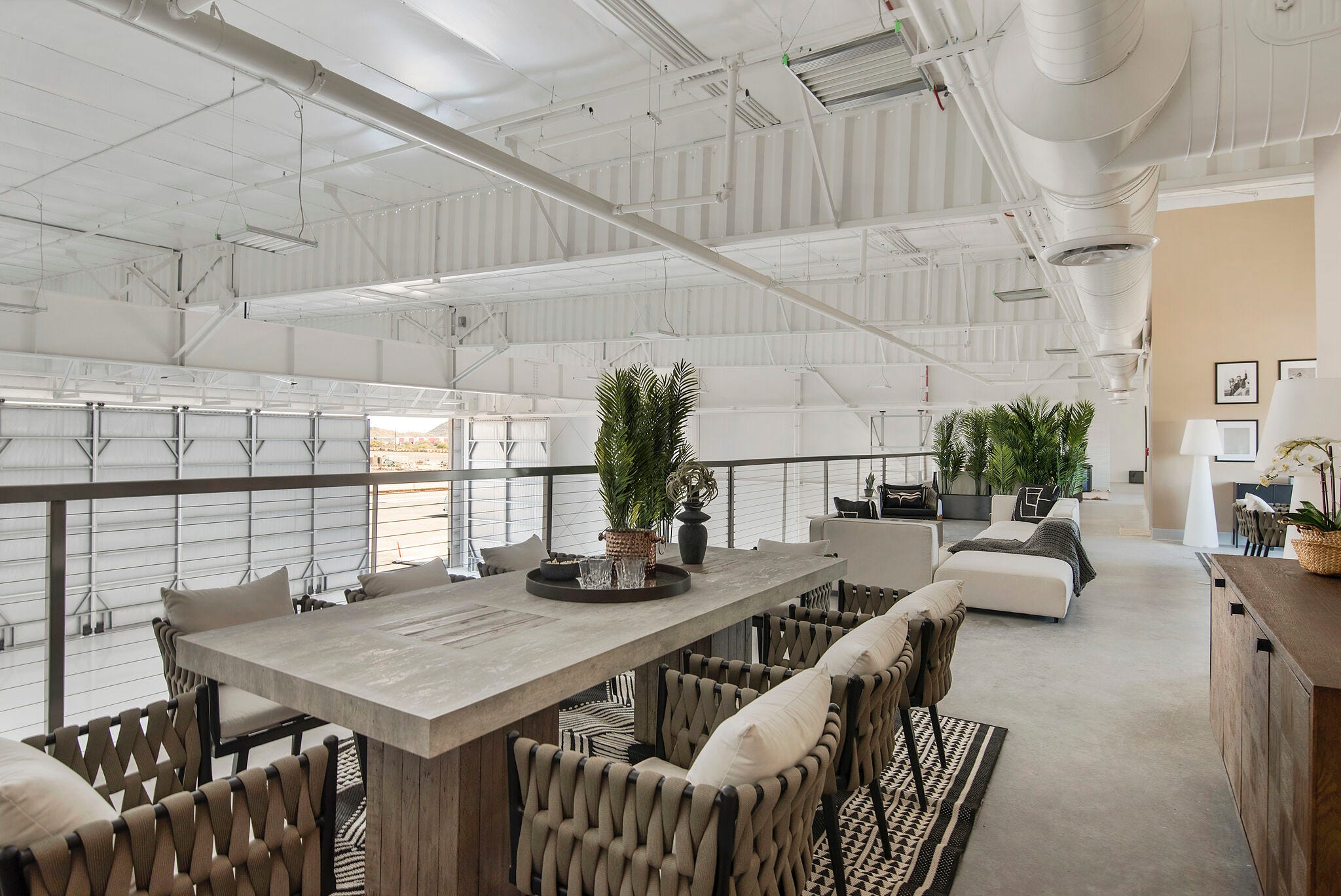
New sites look very good. Sky Harbour product and service is ahead of competitors. The new hangars are a clear proof, and the design will get better in each delivery.
DVT
APA

Manufacturing and Construction — Now Vertically Integrated
Over the past few years, Sky Harbour has progressively integrated its manufacturing and construction capabilities. By 2026, the company expects to be fully vertically integrated—providing a clear competitive advantage in speed, cost control, and quality.
Sky Harbour is now one of the largest—if not the largest—hangar developers in the country. Its dedicated construction arm is called Ascen Aviation Services, led by Phil Amos, who was also the company’s first general contractor. According to management, Amos successfully delivered the SGR project on time and under budget, making it the least expensive airport the company has ever built.
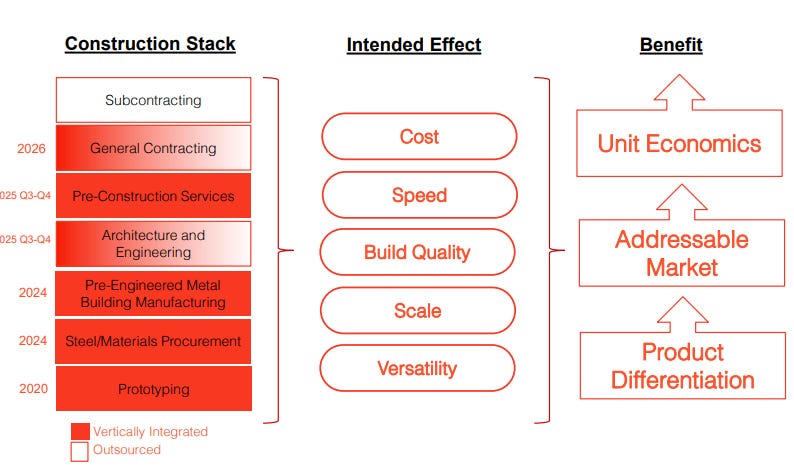
The company is 100% dedicated to Sky Harbour and to build the Sky Harbour 37 Hangar across the country.
🗣️“We're far less exposed to the vicissitudes of supply chain interruptions, which we've experienced in the past”
As site acquisitions accelerate, the now-integrated construction process is designed to increase speed and quality while reducing or controlling costs. However, management has revised projections upward: construction costs are now expected to be, on average, 10–12% higher than the estimates from December ’24 and March ’25 (see Main Concerns section).
The company is also moving out of the initial development phase across many campuses, which should allow it to capitalize on synergies. For example, in procurement, Sky Harbour can now source materials and equipment for the next 10 campuses at once, since specifications are standardized and well understood. This creates meaningful leverage in both pricing and efficiency.
III. Status of Leasing
Sky Habrour now operates 48 hangars across 7 sites.
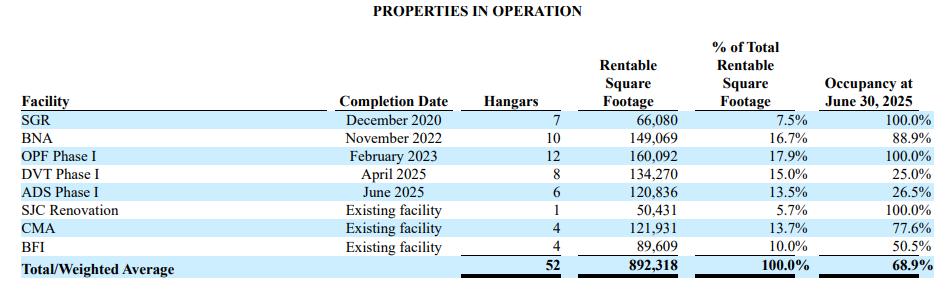
The company provided an update on the unit economics of each campus:
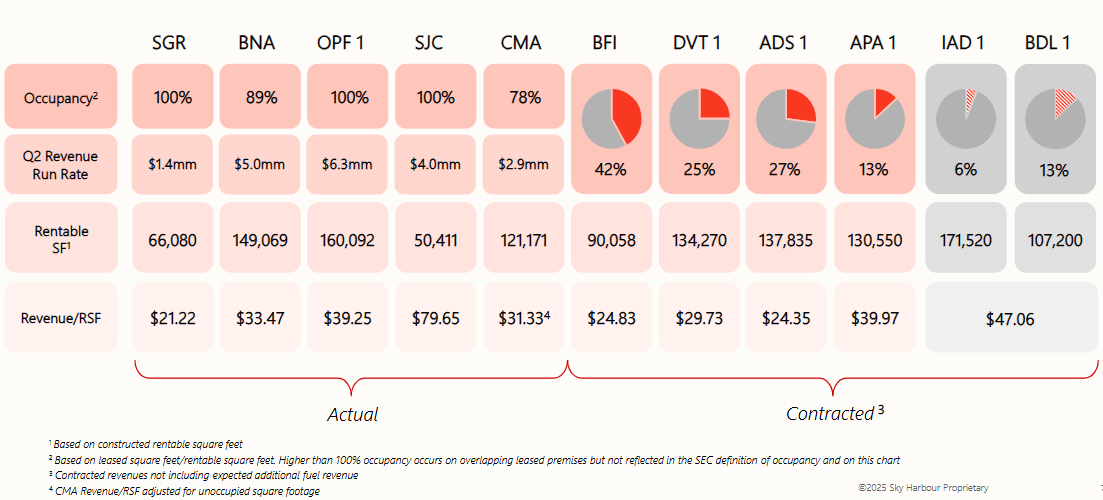
Actual revenues:
SGR: +44% since Dec ‘23 (it was the first site developed).
BNA: +3% higher than Dec ‘23 (modest increase, broadly in line with inflation).
OPF: +3% since Dec ’23. Importantly, initial leases were at $32/SF, while the latest are closer to $46/SF — a 44% uplift, suggesting further upside potential..
SJC: +9% since Dec ’23.
CMA: Underperforming at $31.33/SF versus an expected $40/SF.
Contracted revenue*
*Airports that have started now, but estimates are what’s in the lease (i.e., some don’t capture margin on fuel)
APA I: In line with estimates at $40/SF.
DVT and ADS: 25% below initial projections, though these are not tier-1 airports.
IAD and BDL: Average revenue aligns with estimates; currently in pre-leasing, with upside potential as campuses begin operations.
BFI: A disappointment so far, given its classification as tier-1. Revenue remains modest despite the prime location.
📌Conclusion: Overall, the business is progressing broadly in line with expectations on a revenue-per-square-foot basis.
Mature airports are tracking inflation, confirming their inflation-protected nature.
Others, such as OPF, still have room for rent increases in upcoming quarters.
On average, new airports are performing as expected, though it’s too early for definitive conclusions.
A particularly important growth lever will be the second round of leasing. New tenants often negotiate favorable terms when Sky Harbour opens multiple new hangars and needs occupancy. At renewal, however, leverage shifts to Sky Harbour, as demand is high and supply limited.
The CEO also confirmed that Bradley and Dulles revenues are running above expectations, with introductory pricing designed to secure blue-chip anchor tenants.
Occupancy to watch:
CMA and BNA: No change since Dec ’23 — still below ~90%.
DVT and BFI: Expected to be fully leased within six months, which is a strong ramp-up pace.
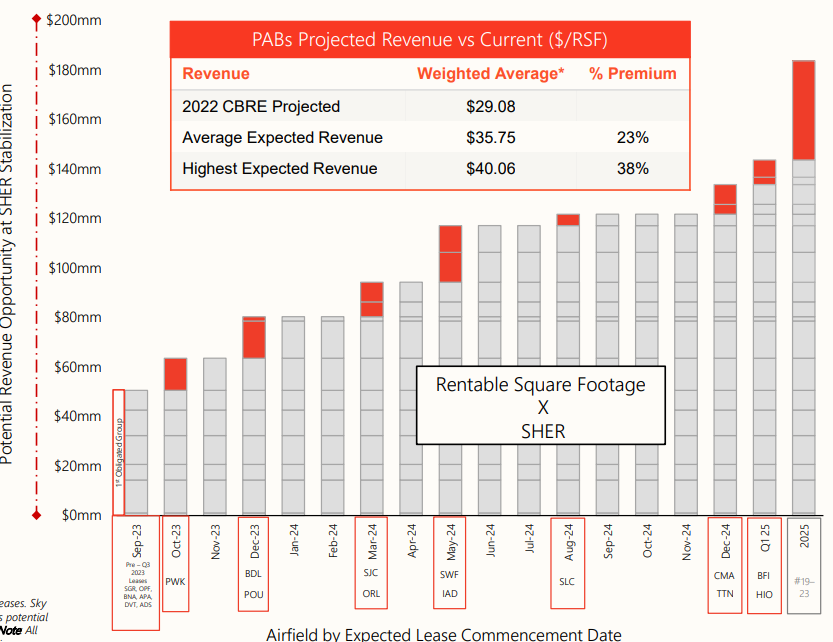
Last, projected revenue now stands close to $150 million annually and will surpass $180 million after the expected acquisitions in the near-term.
IV. Financial Analysis
P&L and Cash Flow
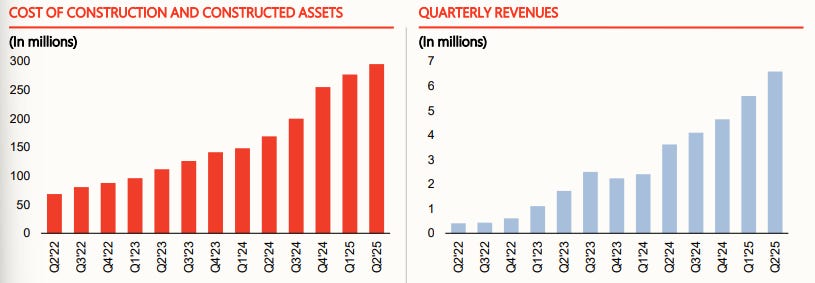
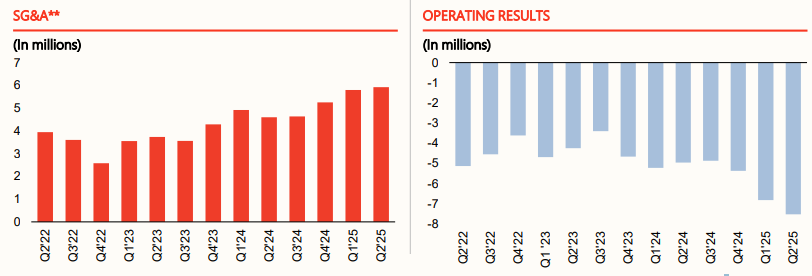
Revenues are up by +82% YoY, reaching $6.6m in the Q2. The increase mainly comes from Camarillo airport, acquired in December. Only $0.2m came from the three new campuses. The annualized revenue is much higher as these 3 campuses have a projected $14m annualized revenue (~$3.5m per quarter).
Expenses rose significantly, reflecting the pre-operational costs of new campuses (which begin up to six months before revenue starts). Current negative accounting therefore overstates the weakness of the business.
SG&A rose ~20% to an annualized ~$20m, higher than originally expected. Greater stabilization will be needed in the coming quarters to achieve operating leverage.
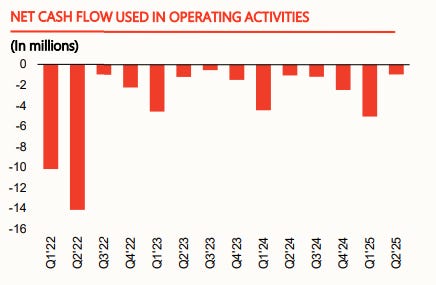
Cash burn fell sharply, from $5m in Q1 to $1m in Q2.
Management reiterated guidance to reach cash flow breakeven by year-end, as leasing ramps up in the three new campuses.
Balance Sheet
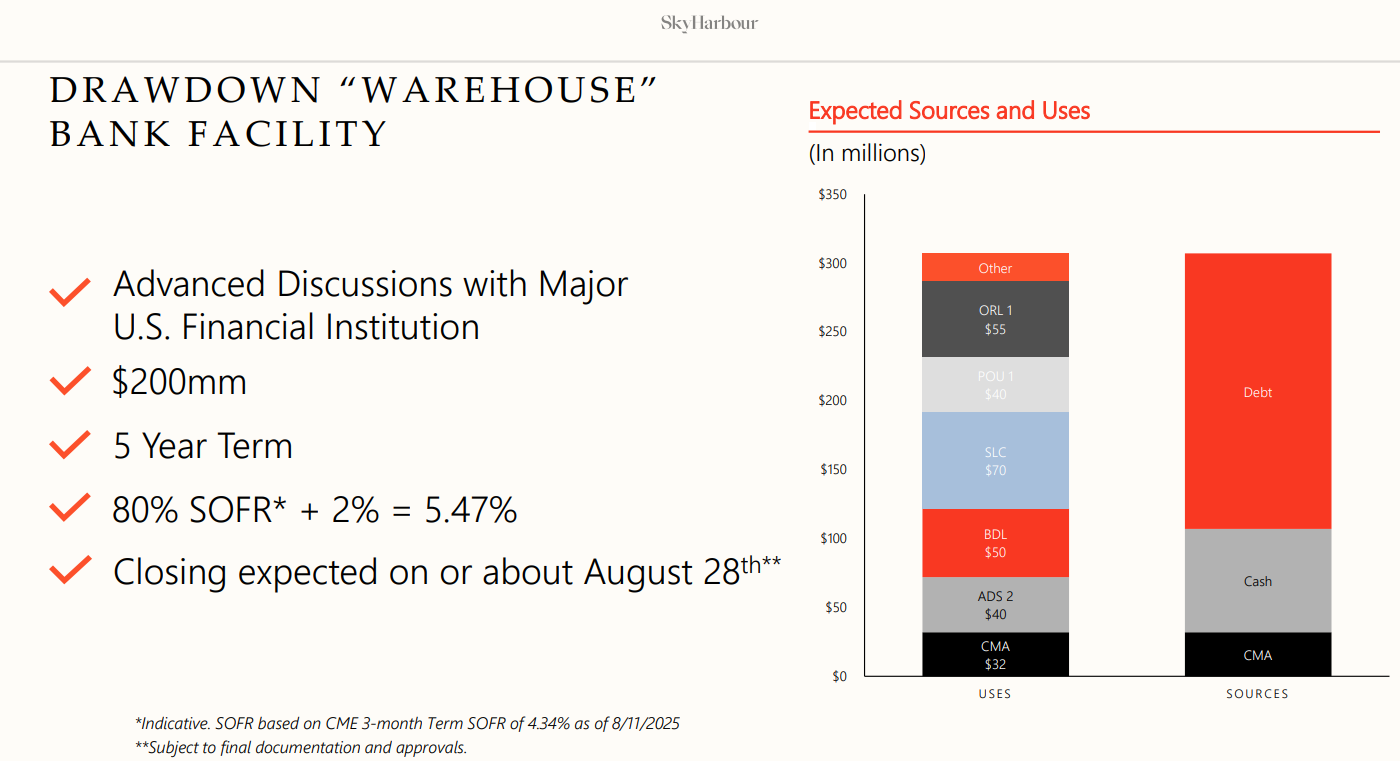
Management is finalizing a 5-year, $200m bank facility at ~5.5%.
This structure allows the company to draw funds as needed, rather than issuing a full bond upfront, which helps limit unnecessary interest expense.
The facility is floating rate. While management avoids macro forecasting, the broader expectation is that U.S. rates may decline over the coming quarters.
💬I view the balance sheet as healthy and flexible, positioning the company well to fund the next wave of campuses.
V. Positive Conclusions
1. Closer to Break Even
Reaching breakeven will be a major milestone, reinforcing the equity story.
Early cash generation reduces financing needs over time, compounding like a snowball effect.
2. Quality of the Product and Service
Facilities appear premium, modern, and well-designed — strengthening Sky Harbour’s competitive positioning.
3. Site Acquisitions on Track
Four new sites acquired since December (two in Dec ’24, two in Q1 ’25).
Acquisitions are accelerating, which is notable given that these processes often take years.
This pace positions Sky Harbour ahead of competitors.
4. Financing Needs Addressed
The planned $200m debt facility at ~5.5% provides funding for the next batch of sites, removing near-term financing risk.
5. Focus on Construction
The creation of the dedicated construction division is a critical milestone.
While costs have risen (see Main Concerns), vertical integration should deliver synergies over time.
Management expects material savings once standardized designs enable bulk procurement and streamlined execution.