

Disclaimer. Please read full disclaimer at the end of the page before reading the article. This publication is only for information and entertainment purposes. It doesn’t constitute financial advice.
The information provided in this blog is for informational purposes only and should not be considered as financial, investment, or professional advice. The valuations and analyses presented here are based on publicly available
Please remember that nothing in this post is investment recommendation.
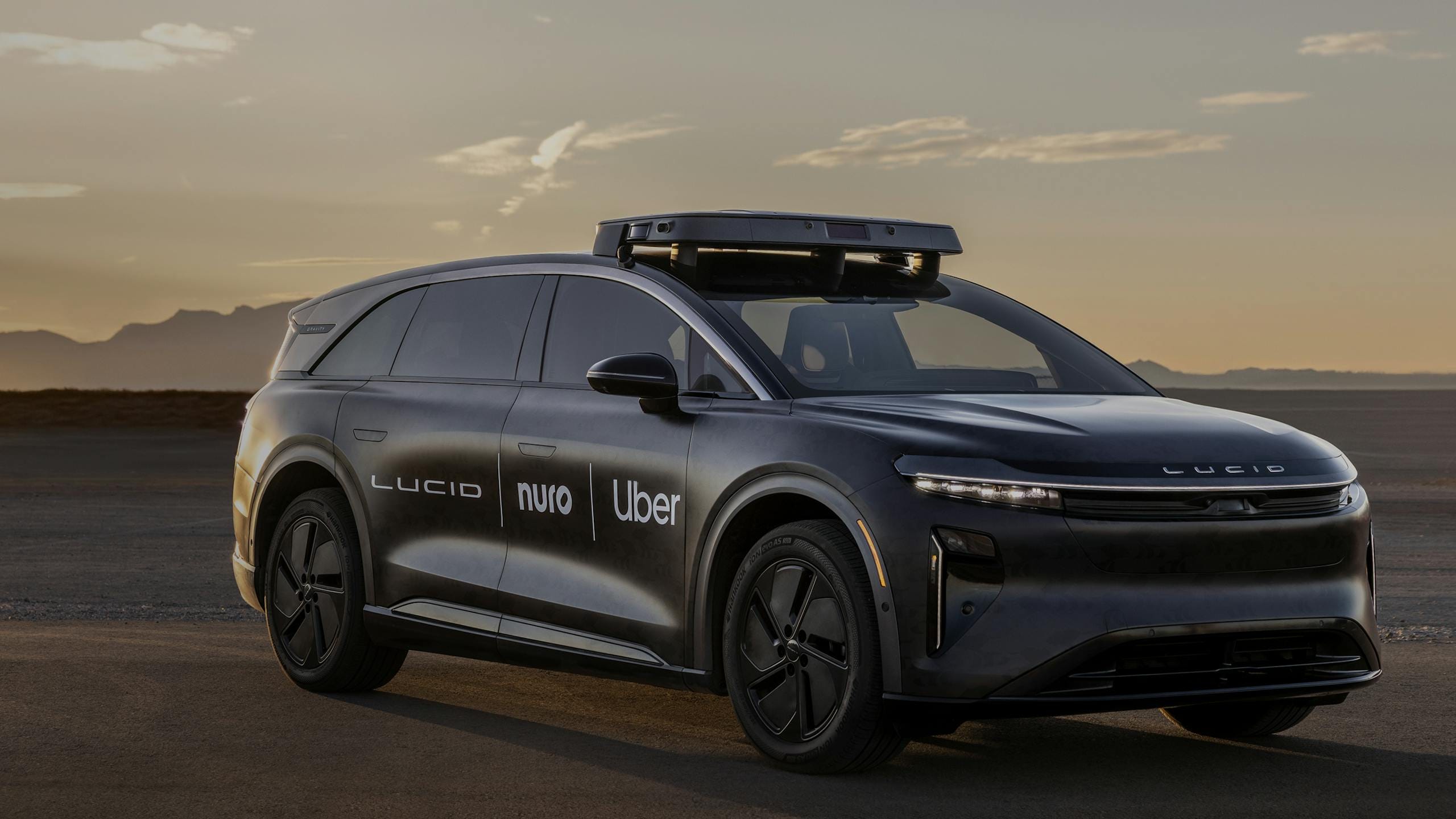
Autonomous vehicles are a reality in many cities and will become increasingly prevalent over the next decades. The ecosystem is vast, encompassing full-stack AV companies, car manufacturers, technology providers, and more.
This analysis focuses on robotaxis and their implications for Uber.
If you want to skip the detailed analysis, here are my key conclusions:
I believe Uber will successfully defend against threats from Waymo, Tesla, and other AV players.
The company is laser-focused on becoming the “everything platform,” and its relevance in mobility should only increase over time.
AVs will commoditize over time. As expansion will take some time, by the time regulation eases, multiple players will compete against each other.
Greater competition in the AV space actually benefits Uber, as demand aggregators will play a crucial role.
Some AV players will form partnerships with Uber; others will try compete directly (notably Tesla — whose results are yet unclear).
The economics of a 20% take rate are viable, which is why management is actively exploring this pricing structure.
In an adverse scenario, Uber might lose 15-20% of mobility revenue. However:
Mobility has potential to continue growing at double digits, mitigating the impact.
AV economics are more attractive.
The Delivery segment is experiencing significant TAM expansion.
Uber has substantial financial firepower to defend and expand the platform.
As of September 2025, the company held $8.4 billion in cash.
The company is generating approximately $7 billion in FCF after deducting stock-based compensation.
Bottom line: Even in a negative scenario, I believe Uber would generate similar cash flow to today’s levels. At approximately 25x FCF, this significantly reduces downside risk.
In the following sections, we’ll examine each major player in detail and discuss potential scenarios going forward.
